Top 7 Electrical Safety Upgrades for Atherton Homes
Older homes carry a lot of character, but they also carry wiring that was never designed to keep up with the way we live today. Many established properties in the region were built during an era when the average household ran a fraction of the appliances, circuits and devices that are now considered standard. That reality makes the electrician Atherton homeowners turn to busier than ever, because the gap between how these homes were wired and what they're being asked to handle is widening. Whether you've recently moved into an older property, you're working through a renovation or a recent incident has prompted you to take a closer look, understanding which upgrades matter most is a practical starting point. This post covers seven key electrical safety improvements that can make a genuine difference to how well your home is protected.
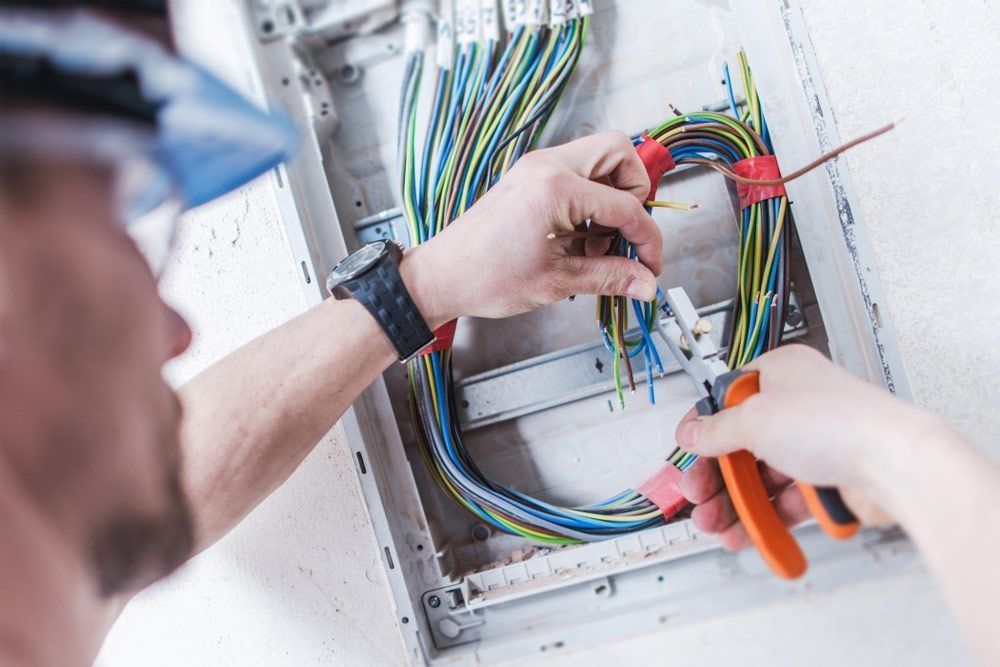
Switchboard Upgrades: The Foundation Of A Safe Home
An outdated switchboard is one of the most common issues found in older homes, and it's also one of the more consequential ones. Many properties still have ceramic fuse-based boards that simply aren't equipped to manage modern electrical loads, let alone provide the protection that current Australian standards require. A licensed electrician can assess whether your switchboard needs a full replacement or a targeted upgrade, and carry out the work in a way that meets current safety regulations.
Signs your switchboard may need attention include:
- Fuses blowing regularly or circuits tripping without explanation
- A ceramic or older-style fuse board rather than a modern circuit breaker panel
- Visible corrosion, burn marks or an unusual smell near the board
- Planning to add new circuits for appliances or renovations
Safety Switch Installation: Protection You Can't Afford To Skip
A safety switch, also called a residual current device (RCD), is designed to cut power within milliseconds if it detects a fault that could cause electric shock. Despite being a legal requirement in Queensland for certain circuits, many older homes still don't have them installed on all circuits where they're needed. This is a straightforward upgrade that a qualified electrician can complete efficiently and that provides an immediate, measurable layer of protection.
Key things to understand about safety switch installation:
- Queensland regulations require safety switches on power and lighting circuits in new homes and on circuits being modified
- Rental properties have specific compliance obligations that landlords and property managers need to meet
- A safety switch is different to a circuit breaker — it protects people, not just appliances and wiring
- Testing your safety switch every three months by pressing the test button is recommended
Interconnected Hardwired Smoke Alarm Upgrades
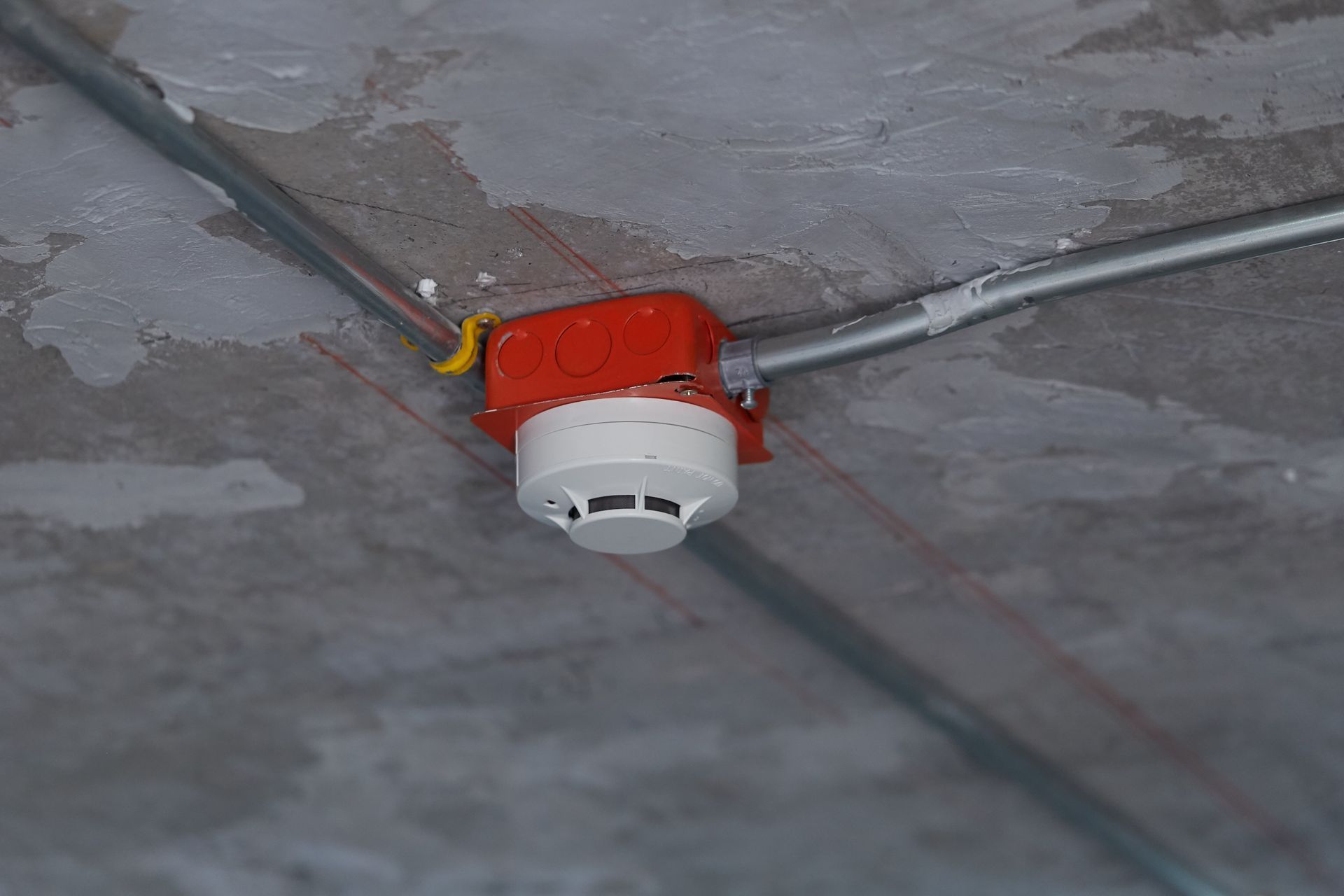
Queensland smoke alarm laws changed significantly in 2022, with a phased rollout requiring all homes to have interconnected photoelectric smoke alarms installed in specific locations throughout the property. If your home still has older battery-operated alarms or ionisation-type detectors, it may not comply with the current legislation. Hardwired, interconnected alarms mean that when one alarm sounds, they all sound — giving everyone in the home maximum warning time.
What the upgrade to interconnected hardwired smoke alarms involves:
- Replacing older alarms with photoelectric smoke alarms that meet the AS 3786:2014 standard
- Installing alarms on each storey, in every bedroom and in hallways connecting bedrooms to the rest of the home
- Interconnecting alarms so they trigger simultaneously across the property
- Compliance is particularly important for rental properties, where landlords carry legal responsibility
RCD Protection Across All Circuits
While safety switches on power points and lighting circuits are the minimum requirement for many homes, having RCD protection across all circuits provides a more thorough safety net. This is especially relevant for circuits that run to garages, sheds, outdoor areas and wet rooms like bathrooms and laundries — areas where the risk of electric shock is higher. A licensed electrician can audit your existing setup and identify which circuits are currently unprotected.
Extending RCD protection to all circuits makes sense for homes that have:
- Outdoor power outlets or garden lighting running off older circuits
- A workshop, shed or granny flat fed from the main home's switchboard
- Bathroom or laundry circuits installed before RCD requirements became standard
- Any recent additions or extensions that connected to existing, unprotected wiring
Power Point Upgrades For Safety And Functionality
Old-style power points — particularly double adaptors and older outlets without safety shutters — are a common source of risk in homes where the electrical system hasn't been updated in decades. Modern power points include built-in safety shutters that prevent children from inserting objects, and upgrading to USB-integrated outlets or weather-resistant outdoor points can also reduce the temptation to use extension cords as a long-term solution.
Power point upgrades worth considering include:
- Replacing two-pin or older three-pin outlets with modern safety-shutter models
- Installing weather-resistant outdoor power points in entertaining areas or near garden spaces
- Adding USB-integrated power points in kitchens, home offices or bedrooms
- Addressing double-adaptor reliance by increasing the number of circuits and outlets in high-use areas
Ceiling Fan & Lighting Installations Done Right
Ceiling fans and updated lighting are often considered cosmetic changes, but when they're installed incorrectly or connected to overloaded circuits, they become a safety issue. Older homes frequently have lighting circuits that were never designed to carry additional load, and DIY installations — even seemingly minor ones — can create wiring faults that are difficult to trace. Having a licensed electrician handle these installations means the work is done safely, connected to the right circuit and compliant with current standards.
A proper ceiling fan or lighting installation from a qualified electrician covers:
- Assessing whether the existing circuit can handle the added load before installation
- Ensuring correct earthing and secure mounting for ceiling fans, which carry specific requirements
- Upgrading to LED downlights or energy-efficient fittings that reduce heat buildup in ceiling cavities
- Installing outdoor lighting with the appropriate weatherproofing and circuit protection
EV Charger Installation & Additional Circuit Additions
Electric vehicle ownership is growing, and so is the demand for home EV charger installations. A dedicated charging circuit isn't something that can simply be tapped into an existing power point — it requires a purpose-built circuit with the capacity to handle sustained load over several hours. Similarly, if you're adding a new appliance, home office, workshop or outdoor entertaining area, additional circuits are the right approach rather than extending existing ones beyond their design limits.
What's involved in adding circuits or installing an EV charger at home:
- An assessment of your switchboard capacity to confirm it can accommodate new circuits
- Installation of a dedicated circuit sized to the charger's output requirements
- Compliance with AS/NZS 3000 wiring standards and any relevant network provider requirements
- Future-proofing the setup so additional circuits can be added without a full board replacement later
Ready To Make Your Home Safer? Contact Us Today
We at Atherton Electrical work with homeowners across Atherton, the Tablelands, Mareeba and beyond to assess, upgrade and future-proof their home's electrical systems. Whether you're not sure where to start, you know something needs attention or you simply want peace of mind before the wet season hits, we're available to help with a safety inspection or obligation-free quote. The Tablelands climate can be hard on older electrical infrastructure, and getting ahead of potential issues is always more straightforward than dealing with them in an emergency. Give us a call on 0409 954 067 or get in touch through our website to book a time that works for you.